Blog
Raising children in today’s world comes with unique challenges and questions that previous generations never faced. From navigating screen time to understanding neurodevelopmental differences, from fostering emotional intelligence to supporting academic success, modern parents need reliable, accessible information more than ever. This is where educational and parenting blogs become invaluable resources.
A well-crafted parenting blog serves as a bridge between research-based expertise and the daily realities of family life. It transforms complex developmental psychology into actionable insights, connects parents facing similar challenges, and provides the reassurance that you’re not alone in this journey. Whether you’re a first-time parent seeking guidance or an experienced caregiver looking for fresh perspectives, these digital spaces offer wisdom, practical tools, and community support.
This resource explores what makes educational parenting blogs essential, the diverse content they offer, and how they can genuinely support your family’s growth and well-being.
Why Educational and Parenting Blogs Matter Today
The landscape of parenting has transformed dramatically over recent decades. Extended families often live far apart, traditional community support systems have weakened, and parents frequently find themselves isolated with their questions and concerns. Educational blogs fill this critical gap by providing accessible expertise and peer connection at any hour of the day.
Unlike generic advice that treats all children identically, quality parenting content acknowledges that every child develops uniquely. These platforms help you understand the principles behind development rather than just offering prescriptive rules. When you grasp why certain approaches work, you can adapt strategies to fit your child’s temperament, your family’s values, and your specific circumstances.
Research consistently shows that informed parents feel more confident in their decisions. When you understand the reasoning behind recommendations—whether about sleep training, discipline approaches, or educational milestones—you can make choices aligned with both evidence and your family’s needs. This knowledge reduces parenting anxiety and helps you trust your instincts when conflicting advice pulls you in different directions.
Moreover, parenting blogs democratize expert knowledge. Information that once required expensive consultations or academic journal access now reaches families regardless of their economic situation or geographic location. This accessibility particularly benefits parents in underserved communities who might otherwise lack resources for specialized guidance on topics like learning differences, behavioral challenges, or gifted education.
The Diverse Content Landscape of Parenting Blogs
Educational parenting platforms cover an extraordinary range of topics, each addressing different aspects of child-rearing and family life. Understanding these content categories helps you navigate resources efficiently and find exactly what you need when challenges arise.
Developmental Milestones and Age-Specific Guidance
Content focused on developmental stages helps you understand what’s typical for your child’s age while recognizing individual variation. These articles explain cognitive, physical, emotional, and social development from infancy through adolescence. Rather than creating anxiety about whether your child is “on track,” quality developmental content helps you recognize your child’s unique pattern of growth and identify when concerns might warrant professional consultation.
Practical Strategies for Daily Challenges
From managing bedtime resistance to handling sibling rivalry, from encouraging homework completion to navigating picky eating, parenting blogs offer concrete, tested approaches for common struggles. These aren’t one-size-fits-all solutions but rather frameworks you can customize. Effective strategy content explains the underlying reasons for challenging behaviors and offers multiple intervention options, acknowledging that what works for one family may not suit another.
Educational Support and Learning Enhancement
Many parents want to support their children’s academic development but feel uncertain about effective approaches. Educational blog content demystifies learning processes, suggests age-appropriate activities, and helps you create enriching home environments. This includes literacy development, mathematical thinking, scientific curiosity, creative expression, and critical thinking skills—all presented in ways that fit naturally into family life rather than requiring formal teaching.
Emotional Intelligence and Social Skills
Increasingly, parents recognize that emotional and social competence matters as much as academic achievement. Blog content in this area helps you nurture self-awareness, empathy, resilience, conflict resolution, and healthy relationships. These articles often provide language you can use with children, helping them identify and express feelings, understand others’ perspectives, and develop coping strategies for stress and disappointment.
How Quality Blogs Balance Evidence and Experience
The most valuable parenting content strikes a careful balance between research-based evidence and lived experience. Scientific studies provide important insights about child development and effective interventions, but research often happens in controlled settings that don’t capture the messy reality of actual family life. Meanwhile, personal anecdotes offer relatability and practical wisdom but may not apply broadly or align with developmental best practices.
Trustworthy educational blogs cite credible sources—developmental research, pediatric guidelines, educational studies—while acknowledging limitations and areas of ongoing scientific debate. They distinguish between well-established findings and emerging theories. Importantly, they recognize cultural contexts and diverse family structures rather than assuming a single “correct” approach to raising children.
These platforms also acknowledge when professional expertise is necessary. Quality content knows its boundaries, encouraging parents to consult pediatricians for medical concerns, therapists for significant behavioral or emotional issues, and educational specialists for learning difficulties. Rather than replacing professional guidance, effective blogs help you prepare for these consultations with informed questions and observations.
The transparency about sources and limitations builds trust. When a blog clearly identifies what’s based on research versus personal experience or expert opinion, you can weigh information appropriately and make informed decisions for your unique situation.
Building Community and Finding Support
Beyond information, parenting blogs create virtual communities where parents find validation, encouragement, and solidarity. The comment sections, forums, and social media extensions of these platforms connect people facing similar challenges, reducing the isolation many parents experience.
Shared Stories and Normalized Struggles
Reading about other parents’ experiences with tantrums, school refusal, friendship drama, or developmental concerns helps you recognize that your struggles aren’t unique or evidence of failure. This normalization is psychologically powerful, reducing shame and anxiety while building confidence. When you realize that competent, caring parents everywhere face similar challenges, you can approach difficulties with more patience and less self-judgment.
Diverse Perspectives and Inclusive Representation
The best educational platforms showcase diverse family structures, cultures, and experiences. They feature voices from different backgrounds and recognize that effective parenting takes many forms. This inclusivity helps all families see themselves reflected while broadening everyone’s understanding of different approaches and values. Exposure to diverse perspectives strengthens cultural competence and helps children develop respect for differences.
Ongoing Learning and Growth
Parenting is not a skill you master once but an evolving practice that changes as your children grow and as research advances. Regular engagement with quality blog content supports continuous learning, helping you refine your approaches, discover new strategies, and stay current with developmental understanding. This ongoing education benefits both you and your children, modeling the lifelong learning you hope to instill in them.
Educational and parenting blogs represent far more than casual reading—they’re genuine resources that support your family’s development and well-being. By providing accessible expertise, practical strategies, evidence-based insights, and community connection, these platforms empower you to parent with greater confidence and intention. As you explore the content available, remember that the goal isn’t perfection but rather informed, thoughtful engagement with the beautiful, challenging work of raising children.
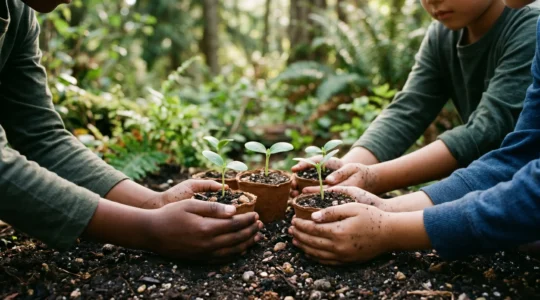
Environmental Awareness: Teaching Kids to Care for Their Planet
To raise a truly eco-conscious child, the focus must shift from enforcing environmental chores to cultivating an intrinsic “eco-identity.” Everyday actions, from sorting recycling to turning off a tap, become meaningful lessons in responsibility when framed as part of a…
Read more