In summary:
- An occupational therapist’s view reveals that the benefits of messy play come from specific hand movements, not the mess itself.
- These crucial pre-writing skills can be developed through targeted, low-mess activities that function like a ‘gym for the hands’.
- Activities like threading, using dough, and ‘potion making’ build the precise muscle strength and coordination needed for pencil control.
- This structured approach reduces parental stress around cleanup while effectively preparing a child for academic tasks like writing.
The image of a creative child is often synonymous with mess. Glitter trails through the house, finger paint adorns clothes, and playdough is ground into the carpet. As a parent, you’re constantly told that this “messy play” is essential for development, a non-negotiable part of early learning. The advice can feel frustrating, especially when you spend more time cleaning up the chaos than your child spent creating it. You want to support their growth, but the thought of another “creative explosion” is enough to cause a headache.
But what if I told you, as an occupational therapist, that the true developmental benefit isn’t in the mess itself? It’s in the specific, repeatable movements that these activities encourage: the pinching, squeezing, twisting, and controlled placement. The real magic lies in building the tiny, intrinsic muscles of the hand, improving wrist stability, and refining hand-eye coordination. These are the foundational components of fine motor skills, and they are the direct precursors to holding a pencil, forming letters, and achieving functional independence.
The good news is that we can isolate and train these movements without covering the kitchen in a layer of glitter. This guide reframes “creative arts” as a targeted workout for your child’s hands. We will move beyond the platitudes of messy play and give you a structured, therapist-approved program of ‘cleaner’ activities. We’ll explore the science behind each skill, from the humble pincer grasp to complex bilateral coordination, and provide you with purposeful games that feel like fun but function like a preparatory gym for writing.
This article provides a clear roadmap, breaking down the essential fine motor skills your child needs. The following sections will guide you through targeted activities designed by therapists to build strength, precision, and coordination in a progressive and engaging way.
Summary: Building Pre-Writing Skills Without the Mess
- Pincer Grasp: Using Tweezers and Beads to Prep for Pencils
- Scissor Skills: How to Teach Cutting Safely from Snips to Shapes?
- Dough Gym: Strengthening Hand Muscles with Playdough
- Hand-Eye Coordination: The Focus Required for Threading
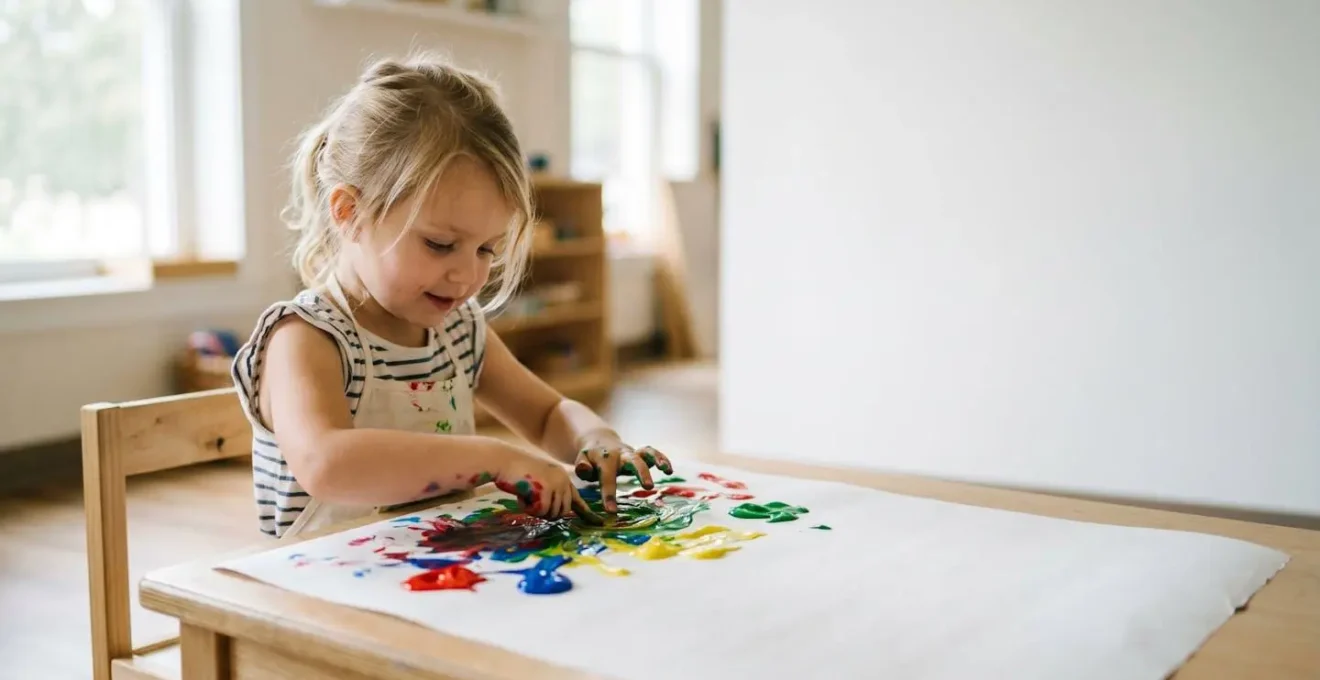
- Sensory Art: Finger Painting and Shaving Foam Tracing
- Dressing Boards: Practicing Fasteners Without the Pressure of Getting Dressed
- Potion Making: Mixing Shampoos and Waters (Safely)
- Fine Motor Skills: The Building Blocks of Independence
Pincer Grasp: Using Tweezers and Beads to Prep for Pencils
Before a child can master a pencil, they must first master their own fingers. The pincer grasp—the ability to pick up small objects using the tip of the thumb and index finger—is arguably the most crucial fine motor milestone for academic readiness. This precision grip evolves from the clumsy, whole-hand palmar grasp of infancy. A baby first learns to rake objects toward them, then begins using the pads of their thumb and finger, until finally, they achieve the refined fingertip control that is the pincer grasp. Research shows that children typically develop the pincer grasp around 9-10 months of age, laying the neural groundwork for future tool use.
Why is this so important? This exact movement is what allows a child to hold a crayon, manipulate a button, and, eventually, control a pencil with enough dexterity to form letters. To strengthen this skill, we can move beyond simply picking up small snacks. Activities like using child-safe tweezers to pick up pom-poms or sorting beads into an ice cube tray directly mimic and strengthen this grip. These tasks require focus and repeated use of the thumb-and-finger action, building both muscle memory and writing endurance in the small muscles of the hand.
Think of these activities as targeted practice, isolating the exact muscles and movements that will make holding a pencil feel natural and effortless later on.
Scissor Skills: How to Teach Cutting Safely from Snips to Shapes?
Introducing scissors can be intimidating for any parent, but mastering their use is a powerhouse activity for fine motor development. Scissor skills are far more than just cutting; they are a complex exercise in bilateral coordination. This is the ability to use both hands together in a controlled, cooperative manner, with one hand leading (the cutting hand) and the other assisting (the helper hand that holds and turns the paper). As one expert source highlights, this coordination is a sign that both hemispheres of the brain are communicating effectively.
Bilateral coordination is the ability to use both sides of the body simultaneously in a controlled manner. Proper bilateral coordination indicates that both sides of a child’s brain communicate and work effectively.
– Mybrightwheel, Safe Cutting Activities for Preschoolers
To teach this safely, progression is key. Start with playdough scissors, which are safer and require the same open-close motion. Then, move to child-safe paper scissors. The first step isn’t cutting shapes, but simply making small “snips” along the edge of a piece of cardstock. This builds the basic muscle action. Once they master snipping, you can draw straight lines for them to follow, then wavy lines, and finally simple shapes like squares.
As you can see in the image, the ‘helper hand’ is just as important as the cutting hand. It must actively turn the paper to navigate corners and curves. While it takes practice, occupational therapists note that most children should be proficient in scissor skills by 4-5 years old. Mastering this tool provides a significant boost in hand strength and coordination, directly benefiting future writing ability.
This two-handed task is a fundamental step toward the dexterity required for a wide range of school-based and self-care activities.
Dough Gym: Strengthening Hand Muscles with Playdough
Playdough is a classic for a reason, but from a therapist’s perspective, it’s not just a toy—it’s a versatile piece of exercise equipment. Welcome to the “Dough Gym,” where every squeeze, roll, and pinch is a targeted workout for the hands. When a child squishes a large ball of dough, they are strengthening their palmar arches and overall grip strength. When they roll it into a “snake,” they are using both hands together in a feat of bilateral coordination. And when they pinch off small pieces, they are practicing that all-important pincer grasp.
This isn’t just theory; it’s a foundational element of school readiness. The manipulation of a resistant material like dough builds the intrinsic muscles within the hand that are essential for stamina in writing. Without this strength, children’s hands tire quickly when holding a pencil, leading to frustration and poor legibility. In fact, research directly links this type of activity to better handwriting. Studies establish high correlations between fine motor precision and handwriting legibility in young children, underscoring that these simple dough exercises are crucial for preventing writing fatigue.
To make the Dough Gym even more effective, provide tools. Using a toy rolling pin builds wrist stability. Pressing cookie cutters into the dough develops hand strength. And hiding beads inside the dough for your child to find and dig out is a fantastic—and fun—way to encourage finger isolation and pincer strength.
This low-mess, high-impact activity is one of the most effective ways to build the raw power needed for comfortable and controlled handwriting.
Hand-Eye Coordination: The Focus Required for Threading
Threading beads onto a string is a quiet, focused activity that packs a significant developmental punch. It is a masterclass in hand-eye coordination, requiring the eyes to guide the hands in performing a precise and delicate task. The child must hold the string steady with their helper hand, grasp the bead with a pincer grip in their dominant hand, and visually align the tiny hole with the tip of the string. This requires immense concentration, visual tracking, and the ability to make micro-adjustments with the fingers.
This skill of visual guidance is directly transferable to writing. When forming letters, a child’s eyes must guide their hand along the lines of the paper, starting and stopping at specific points. The focus and precision developed during threading activities build the neural pathways necessary for this task. Like all motor skills, the key to success is gradual progression. Starting with a task that is too difficult will only lead to frustration. Instead, build confidence by starting simple and slowly increasing the challenge.
Your Action Plan: Progressive Threading Activities
- Beginner Level: Start by threading pipe cleaners, which are stiff and easy to handle, through large objects like cut-up pool noodles or large pasta tubes.
- Intermediate Level: Progress to threading O-shaped cereal (like Cheerios) onto pipe cleaners. The smaller hole requires more precision.
- Advanced Level: Introduce yarn or a shoelace and have your child thread larger pasta shapes like rigatoni, which requires managing a floppy string.
- Expert Level: The ultimate challenge is threading small pony beads onto a floppy string, which demands a highly refined pincer grasp and advanced visual pursuit skills.
- Core Principle: Always start with larger openings and gradually decrease the size as your child becomes more adept at the task.
This simple, portable activity is an excellent way to cultivate the patience and precision that are hallmarks of proficient writers.
Sensory Art: Finger Painting and Shaving Foam Tracing
This is the category that often causes the most parental anxiety: sensory art. While the idea of finger painting can evoke images of a Jackson Pollock-style mess, the goal from a therapeutic standpoint is the rich tactile feedback the child receives. The feeling of a thick, gooey medium provides high-intensity sensory information to the brain, helping it map the fingers and refine motor control. But we can achieve this without redecorating the kitchen.
Let’s rebrand it as “contained sensory exploration.” One of the best low-mess alternatives is using shaving foam on a baking tray. It provides a similar tactile experience to finger paint but is incredibly easy to clean up. Children can practice drawing shapes, letters, or just squiggly lines. The resistance of the foam helps strengthen finger muscles. Another fantastic option is a sealed Ziploc bag with a squirt of paint inside; the child can “finger paint” by pushing the color around from the outside, with zero mess.
The goal is to encourage mark-making. This is the first step toward writing. As early years research shows that combined with developing dexterity, these initial random marks gradually become more deliberate until children begin to assign meaning to them, calling them pictures or even their first attempts at writing. A sand or salt tray offers another clean way to practice this, providing satisfying visual and auditory feedback with every line drawn.
By using these contained methods, you can provide the crucial sensory input your child needs to build a strong brain-hand connection, all while keeping your sanity intact.
Dressing Boards: Practicing Fasteners Without the Pressure of Getting Dressed
Getting dressed can be a source of morning frustration for both parents and children. When you’re in a rush, it’s not the ideal time to practice the complex fine motor skills required for buttons, zippers, and snaps. This is where a dressing board or frame comes in. It isolates the task of manipulating fasteners from the larger, more complex sequence of putting on clothes. This allows a child to practice these crucial skills in a low-pressure, playful environment.
Manipulating a button or pulling up a zipper is the functional application of skills we’ve already discussed. It requires a strong pincer grasp to hold the button, bilateral coordination to pull the two sides of a jacket together, and significant hand-eye coordination. Research on motor development shows that the same pincer grasp used for picking up a bead is what enables a child to eventually master a button. By providing a dedicated practice board, you allow your child to build the muscle memory needed for these tasks without the added stress of a ticking clock.
Action Plan: Auditing Your Child’s Fastener Skills
- Identify Fasteners: List the fasteners your child encounters daily, ranking them from easiest (large zippers, velcro) to hardest (small buttons, snaps).
- Observe Ability: Watch how your child attempts the task. Do they try with one hand? Do they use a pincer grasp or a whole-hand grip? Note their current strategy.
- Check Prerequisites: Can your child successfully use a pincer grasp in play? Can they use both hands together for a task like holding a bowl while scooping?
- Assess Frustration: Note at what point they get frustrated and give up. This is their current limit and your starting point for practice.
- Create a Practice Plan: Start with the easiest fastener on the list, practiced on a dressing board or a loose piece of clothing first, before trying it while they are wearing it.
This focused practice not only builds fine motor proficiency but also fosters a huge sense of accomplishment and functional independence, which is a powerful motivator for any child.
Potion Making: Mixing Shampoos and Waters (Safely)
For a “messy” activity that’s actually quite contained and easy to clean, look no further than “potion making.” This activity is a child-favorite and a therapist-approved powerhouse for developing wrist strength and control. Set your child up in the bathtub, at the sink, or outside with a few plastic bowls, cups, spoons, and some child-safe, tear-free soaps or shampoos. The task is simple: mix, pour, and stir.
Every movement is a valuable exercise. Pouring water from a large jug into a smaller cup requires wrist stability and a graded, controlled movement. Using a turkey baster or dropper to transfer colored water from one container to another strengthens the hand’s palmar arches and isolates finger movements. Stirring the “potions” with a spoon promotes wrist rotation. All of these skills are vital for the fluid movements needed in handwriting. Holding the pencil correctly is one thing, but being able to move it across the page in controlled lines and curves requires a stable and flexible wrist.
Your Action Plan: Progressive Pouring & Mixing Activities
- Start Big: Begin with large, easy-to-grip jugs and wide bowls to build confidence with basic pouring.
- Introduce Tools: Progress to droppers, basters, and spray bottles, which require controlled finger pressure and develop hand strength.
- Incorporate Measurement: Add measuring cups and spoons to the setup. This introduces early math concepts while requiring more precise pouring and wrist control.
- Use Funnels: Using a funnel to pour into a narrow-necked bottle is an excellent challenge for developing a steady hand.
- Practice Bilateral Work: Encourage your child to hold the receiving container steady with their “helper hand” while pouring with their dominant hand.
This fun, sensory-rich activity is a fantastic way to develop the upper arm, wrist, and hand coordination that underpins fluent, legible writing.
Key takeaways
- The goal of pre-writing activities is to build specific hand movements and muscle groups, not to create mess for its own sake.
- Fine motor skills develop in a predictable sequence, from whole-hand (gross) movements to precise fingertip (fine) control.
- Targeted, play-based activities like threading, dough manipulation, and pouring function as a structured ‘hand gym’ to build writing readiness.
Fine Motor Skills: The Building Blocks of Independence
As we’ve seen, the journey to writing begins long before a child ever picks up a pencil. It’s built through a series of playful, purposeful activities that strengthen the hands, refine coordination, and build crucial neural pathways. Each snip of the scissors, each bead threaded on a string, and each button fastened is a deposit in your child’s “motor skill bank.” These skills are not just for school; as the NAPA Center points out, they are fundamental for supporting independence in all areas of life, including dressing, feeding, and personal care.
This investment in early motor development has a profound and lasting impact. It’s not just about legible handwriting in first grade; it’s about building a confident, capable child who can navigate their world with autonomy. The sense of “I did it myself!” that a child feels when they zip their own jacket is a powerful catalyst for self-esteem. Furthermore, the link to broader academic success is clear. In fact, multiple research studies demonstrate that fine motor ability in early childhood is significantly linked to later achievement in both reading and math.
Ultimately, by focusing on these foundational skills, you are giving your child more than just the ability to write their name. You are equipping them with the physical tools for learning, the confidence for self-care, and the resilience to tackle new challenges. The “mess” becomes optional when the purpose of the movement is clear.
To start building this foundation of independence, choose one activity from this guide and introduce it as a simple, pressure-free game today. You are not just avoiding a mess; you are strategically building your child’s future.